Why Eco-Friendly Fashion is the Future of Style

Updated: Jul 23
The fashion industry is undergoing a substantial transformation. With environmental concerns rising and consumers becoming more conscious of their purchases, eco-friendly fashion is not merely a trend; it is the future of style. In this blog post, we will explore what eco-friendly fashion entails, its benefits, and various brands leading the charge, as well as how you can make stylish choices that are also kind to the planet.
What is Eco-Friendly Fashion?
Eco-friendly fashion, also known as sustainable fashion, refers to clothing and accessories that are produced in a manner that is environmentally sound and ethically responsible. It includes the use of organic materials, sustainable manufacturing processes, and fair labor practices. The ultimate goal is to reduce the negative impact of conventional fashion on the Earth.
This movement has garnered attention in response to the environmental challenges posed by fast fashion. According to the Environmental Protection Agency, the fashion industry contributes significantly to pollution and waste. By shifting toward eco-friendly alternatives, consumers are taking steps to lessen this impact.
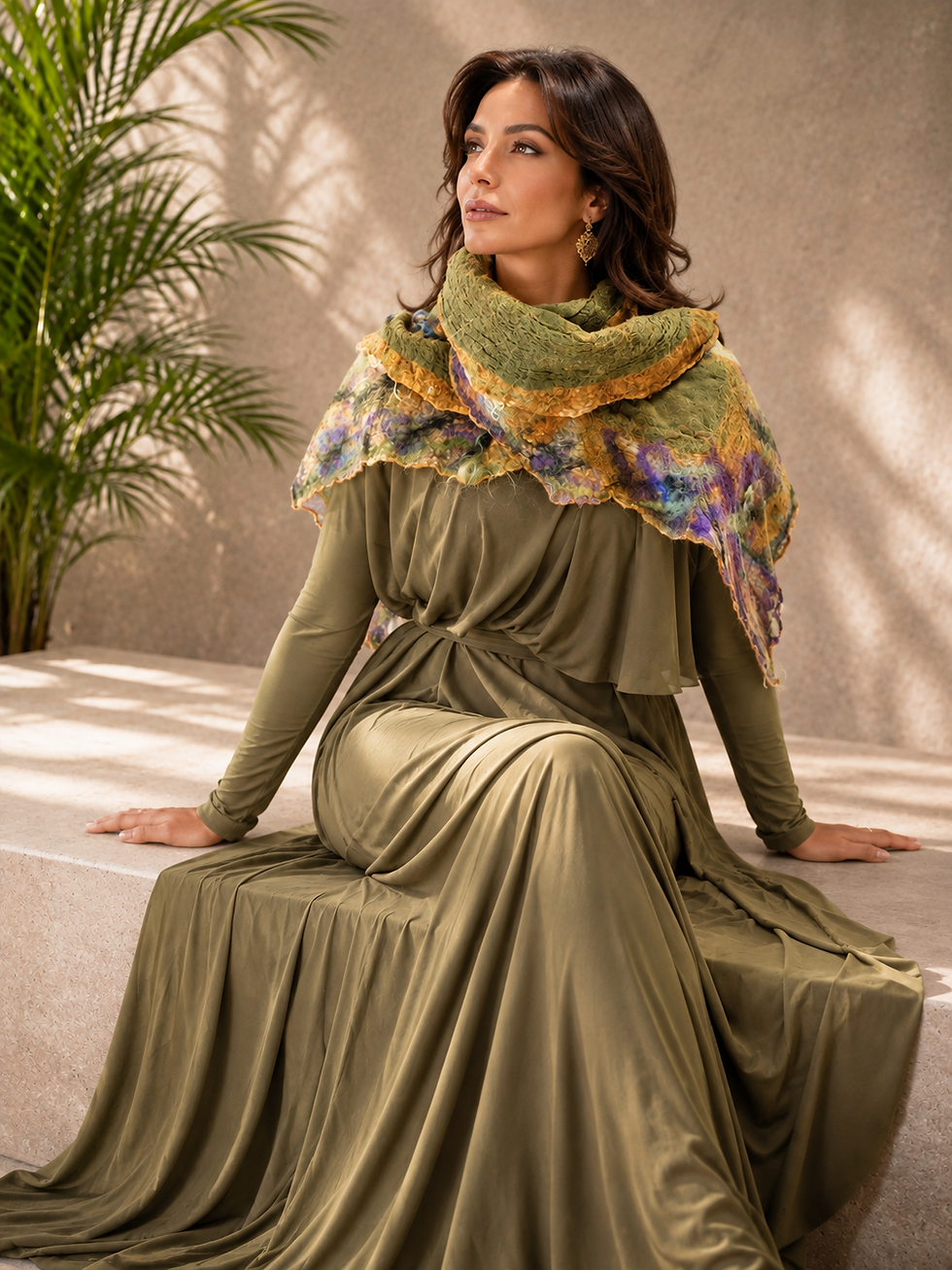
Hand felted merino wool scarf/shawl -One of a kind_ Art 2 Wear by Opulence

A key aspect of eco-friendly fashion is the embrace of innovative materials. For instance, brands are now utilizing organic cotton, bamboo, hemp, and recycled polyester. These materials not only reduce water usage and pollution but also offer durability and comfort.
The Benefits of Choosing Eco-Friendly Fashion
Embracing eco-friendly fashion comes with various benefits—not just for the planet, but for consumers and designers alike. Here are some compelling reasons to make the switch:
Environmental Conservation: Eco-friendly fashion significantly reduces waste and pollution. Brands that focus on sustainable materials and manufacturing methods help lower carbon footprints and conserve natural resources.
Chic and Unique Styles: Unlike mass-produced fast fashion garments, eco-friendly pieces often feature unique designs, allowing individuals to express their style creatively. These items are frequently handcrafted or produced in limited quantities, ensuring you won't run into someone wearing the same outfit.
Better for Your Health: Many conventional fabrics are treated with harmful chemicals that can irritate the skin. Eco-friendly fabrics, on the other hand, often involve natural dyes and organic materials, which can be gentler on the skin and provide health benefits.
Support Ethical Practices: Availing eco-friendly fashion supports fair labour practices and ensures artisans and workers are treated with respect and compensated fairly. This responsible approach creates a more equitable industry.

Empowerment Through Choices: By choosing sustainable designer fashion, consumers empower themselves to make a difference. Every time you opt for eco-friendly materials, you vote for a better industry and future.
Focusing on sustainable fashion not only reflects personal style but also aligns with values of sustainability and responsibility.
Is Zara or H&M More Sustainable?
In the realm of fast fashion, two giants—Zara and H&M—have made commitments toward sustainability. But how do they compare in terms of eco-friendliness and ethical practices?
H&M's Initiatives
H&M has launched a Conscious Collection, made from organic and recycled materials. The company aims to source 100% of its cotton from sustainable sources by 2025. Additionally, H&M has instituted a garment recycling program, which encourages customers to return old clothing for reuse or recycling.
Zara's Efforts
Zara, part of the Inditex group, has also made strides towards sustainability. The brand aims to use 100% organic, recycled, or otherwise sustainable fabrics by 2025. They have also promised to minimize waste through initiatives like a zero-waste policy in production.
The Verdict
While both brands are making strides toward more eco-conscious practices, critics argue that the core business model of fast fashion is inherently unsustainable. Despite their efforts, many environmentalists prefer smaller, sustainable brands that prioritize environmental concerns over volume and speed.
Sustainable Brands to Embrace
Choosing eco-friendly fashion is made easier when you know which brands to support. Here are a few noteworthy labels:
Patagonia: Known for its ethical manufacturing processes and commitment to environmental advocacy, Patagonia produces high-quality outdoor clothing designed for durability.
Reformation: This brand focuses on sustainable and trendy women's clothing. They track the environmental impact of their pieces transparently, making it easier for consumers to make informed choices.
Eileen Fisher: A leader in sustainable fashion, Eileen Fisher is celebrated for its commitment to organic fibers and fair-trade practices. They also encourage recycling by accepting worn garments back into their stores.
People Tree: A pioneer in sustainable and fair-trade fashion, People Tree offers stylish clothing that supports artisans worldwide.
Amour Vert: This brand creates beautiful clothing from sustainable materials and plants a tree for every T-shirt sold. Their commitment to environmental responsibility shines through in their practices.

How to Make Eco-Friendly Fashion Choices
You don't have to overhaul your wardrobe overnight to embrace eco-friendly fashion. Here are some practical ways to start making more responsible fashion choices today:
Educate Yourself: Understanding the impact of your purchases is critical. Research materials, brands, and their ethical practices. Knowledge empowers you to make better choices.
Choose Quality Over Quantity: Invest in high-quality pieces that offer longevity instead of cheap, trendy items that won't last. This not only helps the environment but also saves you money in the long term.
Shop Second-Hand or Vintage: Thrifting is a fantastic way to find unique fashion pieces while contributing to a sustainable lifestyle. Explore local thrift shops, online resale platforms, or vintage boutiques.
Swap Clothing with Friends: Organize clothing swaps with friends or family. This not only refreshes your wardrobe but eliminates the need to buy new clothing.
Support Local Artisans: Find local designers who create sustainable pieces. Supporting small businesses often means you are also promoting ethical labor practices.
Join the Movement Towards Eco-Friendly Fashion
As the world becomes increasingly aware of environmental issues, the shift towards eco-friendly fashion is not just necessary—it is immensely beneficial for the planet, individuals, and the fashion industry. By making informed choices, supporting sustainable brands, and embracing quality over quantity, you can be a part of this revolution.
The demand for eco-friendly clothing is growing, and as consumers, you have the power to influence the direction of the fashion industry. The choices you make today can lead to a more sustainable and stylish future.
So next time you shop, think twice. Opt for those brands and styles that align with your commitment to the planet. Join the movement towards sustainable designer fashion, and together, we can forge a path toward a more beautiful and sustainable future.


Comments